Capture, Organise, and Analyse Data Effortlessly


What kind of business would you like to build?
Describe your business idea, and we'll help you get started with SmartSaaS. Your prompt will be sent directly to our platform.
Try these examples:
Everything You Need to Grow Your Business
Discover the powerful features that make SmartSaaS the ultimate platform for data-driven businesses.
Data Management
Centralise all your business data in one secure, accessible location.
Smart Calendar
AI-powered scheduling that adapts to your workflow automatically.
Project Tracking
Manage projects efficiently with visual boards and progress tracking.
Automated Reports
Get contextually accurate reports instantly without manual compilation.
Team Collaboration
Seamlessly collaborate with your team and share insights in real-time.
Integrations
Connect with your favorite tools and bring all your data together.
Network Discovery
Find and connect with businesses in your network effortlessly.
Digital Store
Set up and manage your digital storefront with built-in tools.
AI Assistant
Let our AI guide you using your goals and business objectives.
Capture Data Anywhere, Anytime
Knowing the right information is vital for smart business decisions. Our mobile app lets your organisation gather insights anytime, anywhere—even in person. Plus, your unique data contributes to democratizing AI, helping build powerful models accessible to everyone, not just big tech companies.
- Make data models on the fly without any code
- Collect information anywhere with our mobile app
- Contribute unique data to democratize AI development
- AI-driven monitoring for market opportunities
- Share insights with your team in real-time
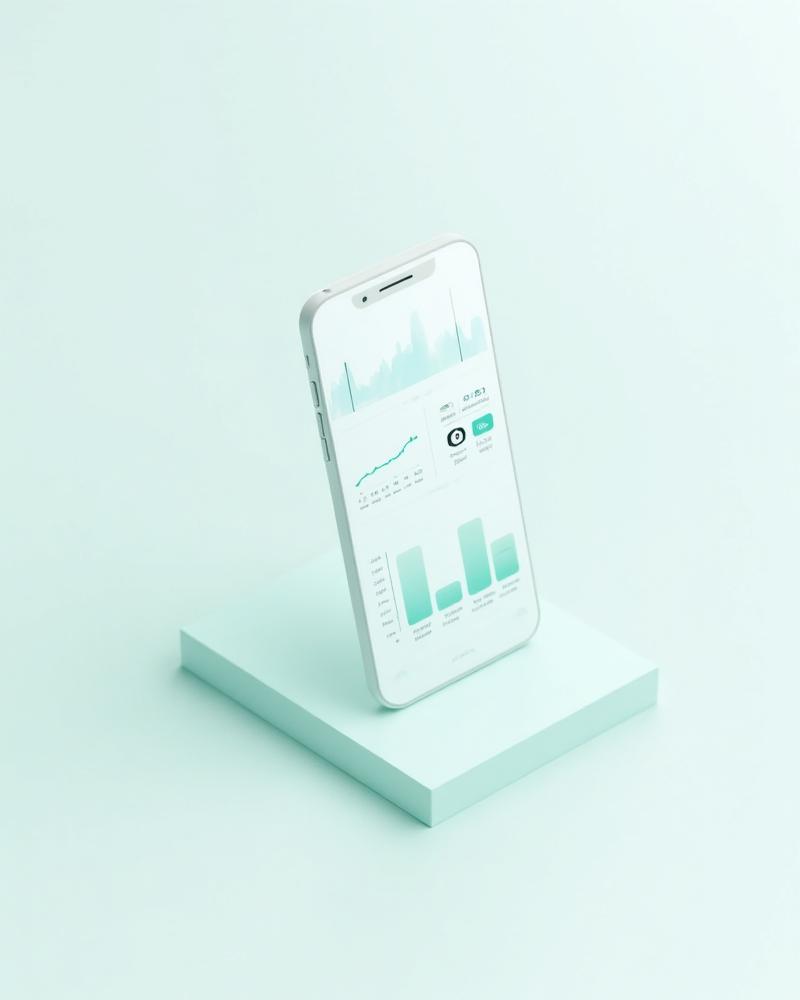
Build Powerful Workflows On the Go
Create, customize, and manage sophisticated business automations entirely from your mobile device. No code required—just drag, drop, and deploy.
Create Complex Automations from Anywhere
SmartSaaS empowers you to build enterprise-grade workflows directly from your smartphone or tablet. Our visual flow designer is optimized for touch screens, making it easy to create multi-stage automations with conditional logic, branching paths, and unlimited customization—all on the go.
- No Code Required: Build complex automations without writing a single line of code
- Fully Customizable: Tailor every aspect of your workflows to your business needs
- Real-Time Sync: Changes sync instantly across all devices and team members
- Offline Capability: Work on workflows even without internet connection
Visual Flow Designer
Create complex multi-stage workflows directly from your smartphone with drag-and-drop interface optimized for touch screens.
AI-Powered Automation
Leverage AI for intelligent routing, smart form generation, voice-enabled workflows, and automated email creation.
Smart Scheduling
Automatically find and book available time slots with conflict detection and alternative suggestions.
Seamless Integrations
Connect with WhatsApp, Instagram, email, SMS, calendars, payment processors, and any external service via webhooks.
Automate Any Business Process
More Than a Chatbot— Your AI Co-Pilot
SmartSaaS AI is fundamentally different from chatbots. It's an intelligent assistant that actively interacts with your application, understands context, and guides you through the platform with actionable assistance.
Not just answering questions—actively helping you accomplish tasks.
Context-Aware Intelligence
Understands which screen you're viewing, what you're working on, and your company's context—not just generic responses.
Active Application Interaction
Doesn't just tell you how—it actually does it. Inserts content, navigates screens, and executes actions on your behalf.
Proactive Guidance
Guides you through features, suggests next steps, and helps you discover capabilities you didn't know existed.
Real-Time Content Generation
Generates content ready to insert into your editor with one click. Works seamlessly with forms, emails, and documents.
Screen-Specific Intelligence
Different AI assistants for different screens. On Data screen, it knows schemas. On Calendar, it understands scheduling.
Conversational Workflow Building
Describe what you want in plain English, and AI creates complete workflows with stages, conditions, and integrations.
Traditional Chatbot vs. SmartSaaS AI
See the Difference in Action
Creating a Data Schema
Traditional Chatbot:
"To create a customer database, you need to..." (You must manually follow instructions)
SmartSaaS AI:
Recognizes you're on Data screen, understands your company's industry, generates complete schema with industry-appropriate fields, and creates it for you—all automatically.
Finding a Feature
Traditional Chatbot:
"The calendar feature is located in..." (You must navigate manually)
SmartSaaS AI:
Recognizes you want to access calendar, navigates you directly to the Calendar screen, and shows you your upcoming meetings with suggestions for next actions.
Building a Workflow
Traditional Chatbot:
"To create a workflow, follow these steps..." (Generic instructions)
SmartSaaS AI:
Knows you're viewing a data schema, understands your company's workflow patterns, and creates a complete workflow with stages, conditions, and actions tailored to your needs.
AI at the Speed of Light
Our platform combines cutting-edge AI with intuitive design to transform how you work with data.
AI Embedded in Core
SmartSaaS combines intelligent algorithms to understand your business and help you grow exponentially.
Automated Reports
Get contextually accurate reports instantly. No more compiling, no more waiting!
Combined Communications
Communicate across all your channels in one place, using AI to build powerful flows.
Fully Mobile
Access all tools and features on the go, keeping your business mobile at all times.
Easy Customisation
Customise SmartSaaS to your liking and ensure your team is always synchronised.
Integrate with Your Workflow
Bring all your data into one platform and let AI handle the rest.


Meet SClaw
SClaw is the SmartSaaS integration to OpenClaw that allows OpenClaw to co-ordinate the deployed agents from SmartSaaS—bringing your AI workforce together in one place.
Unified Agent Control
OpenClaw co-ordinates all your SmartSaaS-deployed agents from one interface.
Seamless Integration
Connect your personal AI assistant with your business agents effortlessly.
Simple and Transparent
Software shouldn't be complicated, and neither should pricing.
Free
Free albeit limited access to SmartSaaS with all its glorious features.
- 1 User
- 3 Data Folders
- 300 Data Items
- Limited AI Usage
Frequently Asked Questions
Get answers to the most burning questions about SmartSaaS.
Tell Us About Your Business
Describe your business and we'll set up your SmartSaaS account with personalized features tailored to your needs.
🔒 Your information is secure and will only be used to personalize your SmartSaaS experience